
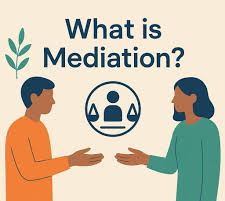
Mediation is one of the most effective alternative dispute resolution methods used to settle conflicts without lengthy court battles. It is a voluntary and confidential process where a neutral third person, known as a mediator, helps disputing parties communicate, negotiate, and reach a mutually acceptable solution. Unlike litigation, mediation focuses on cooperation rather than confrontation.
In today’s legal and business environment, mediation is becoming increasingly popular because it saves time, reduces legal costs, protects relationships, and provides flexible solutions. It is commonly used in family disputes, business conflicts, property matters, employment issues, commercial disagreements, and even corporate disputes.
Understanding mediation is important for individuals, businesses, legal professionals, and organizations seeking faster and less stressful ways to resolve disputes.
What is Mediation?
Mediation is a structured negotiation process where an independent mediator assists parties in resolving their dispute through discussion and mutual agreement. The mediator does not act as a judge and does not impose a decision.
Instead, the mediator helps both sides:
Understand each other’s concerns
Identify the real issues
Explore possible solutions
Negotiate fairly
Reach a practical settlement
The final decision always remains with the parties involved.
Importance of Mediation
Traditional court cases can be expensive, slow, and emotionally draining. Mediation offers a practical alternative by encouraging peaceful settlement.
Benefits of mediation include:
Faster dispute resolution
Lower legal expenses
Confidential proceedings
Flexible and customized solutions
Preservation of personal and business relationships
Reduced emotional stress
Less formal legal process
Higher compliance with settlements
Greater control over outcomes
It promotes cooperation instead of conflict.
Types of Disputes Suitable for Mediation
Mediation can be used in many legal and personal matters.
Family Disputes
This includes:
Divorce settlements
Child custody arrangements
Maintenance disputes
Inheritance disagreements
Family property conflicts
Family mediation helps reduce emotional trauma and protect relationships.
Business and Commercial Disputes
This includes:
Contract disputes
Partnership disagreements
Shareholder conflicts
Vendor payment disputes
Customer complaints
Commercial mediation protects business relationships and saves costs.
Property Disputes
This includes:
Land ownership conflicts
Tenant-landlord disputes
Boundary disputes
Construction disagreements
Real estate settlement matters
Mediation often resolves these issues faster than court litigation.
Employment Disputes
This includes:
Salary disagreements
Wrongful termination disputes
Workplace conflicts
Employee grievance matters
Harassment-related settlement discussions
It helps maintain workplace harmony.
Consumer and Civil Disputes
Small financial disputes, service complaints, and civil conflicts are also commonly resolved through mediation.
Role of a Mediator
A mediator is a neutral professional who facilitates productive discussion.
The mediator’s responsibilities include:
Maintaining neutrality
Encouraging open communication
Helping identify legal and practical concerns
Managing emotions and conflict
Guiding settlement discussions
Ensuring fairness in negotiation
Protecting confidentiality
Supporting voluntary agreement
The mediator does not take sides or give judgments.
Mediation Process
The mediation process usually follows these steps:
Agreement to Mediate
Both parties agree to resolve the dispute through mediation voluntarily or by court referral.
Appointment of Mediator
A neutral mediator is selected based on the nature of the dispute.
Initial Meeting
The mediator explains the rules, confidentiality, and process of mediation.
Discussion and Negotiation
Both parties present their concerns, and the mediator helps explore settlement options.
Private Sessions (if needed)
The mediator may hold separate confidential discussions with each party.
Final Settlement
If both sides agree, a written settlement agreement is prepared and signed.
This agreement may become legally enforceable depending on the case.
Mediation vs Litigation
Many people compare mediation with court litigation.
Mediation:
Faster
Less expensive
Private and confidential
Relationship-focused
Flexible solutions
Voluntary participation
Litigation:
Longer process
Higher legal costs
Public court records
Adversarial system
Judge-imposed decisions
Formal procedures
Mediation is often preferred where long-term relationships matter.
Court-Referred Mediation
Courts often encourage parties to attempt mediation before continuing with full trials, especially in family, civil, and commercial disputes.
This helps reduce court burden and promotes faster justice.
Many settlements are successfully reached before formal trial begins.
Legal Validity of Mediation Settlement
A properly drafted mediation settlement can have strong legal value.
Depending on the matter, it may be:
Recognized by the court
Enforceable as a legal agreement
Used as evidence of settlement
Binding under specific legal provisions
Legal review is recommended before signing final terms.
Role of Lawyers in Mediation
Lawyers play an important role by:
Advising clients on legal rights
Preparing settlement terms
Reviewing agreements
Representing parties during sessions
Ensuring fairness and legal compliance
Helping enforce settlement if needed
Mediation with proper legal guidance is more secure and effective.
Challenges in Mediation
Although mediation is highly useful, some challenges may arise:
Lack of cooperation
Power imbalance between parties
Emotional tension
Unrealistic expectations
Hidden information
Bad faith negotiation
Need for urgent legal protection
Not all cases are suitable for mediation, especially where serious criminal conduct is involved.
Conclusion
Mediation is a modern, practical, and peaceful approach to dispute resolution. It helps people and businesses solve conflicts with dignity, privacy, and mutual understanding. Instead of lengthy legal battles, mediation offers a faster path toward fair settlement and stronger relationships.
Whether it is a family issue, business disagreement, property conflict, or employment dispute, mediation provides a flexible and cost-effective solution. With the support of skilled mediators and legal professionals, disputes can be resolved with less stress and better outcomes.
In today’s world, mediation is not just an alternative—it is often the smarter path to justice.